One Dev, One Dream, One Absolutely Feral Game: How 5 Solo Creators Built Animal-Themed Cult Classics From Scratch
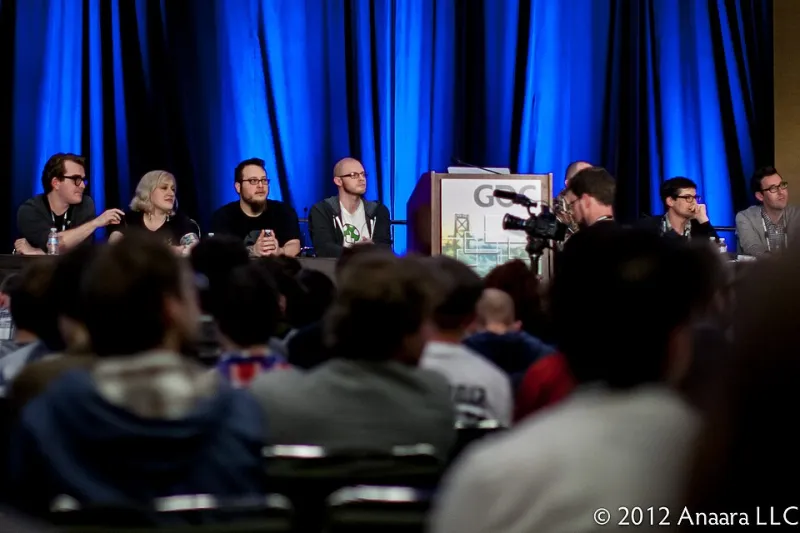
Photo: Fuad Kamal from USA, CC BY-SA 2.0, via Wikimedia Commons
What does it take to build a beloved animal-themed indie game from your childhood bedroom with nothing but a laptop, a dream, and an alarming amount of instant ramen? We tracked down five solo developers whose nature-inspired games went from passion projects to genuine phenomena. Spoiler: none of them had a trust fund, but all of them had something better — a truly unhinged love for digital wildlife.
Here at Raccoons Games, we've always had a soft spot for the scrappy underdog — or, you know, the scrappy trash panda. The indie developers on this list embody exactly that spirit: resourceful, a little chaotic, and somehow producing magic out of nothing. Let's dig through the metaphorical dumpster of game development history and pull out some genuine treasures.
Eric Barone (ConcernedApe) — The One-Man Farm Empire
If you've spent any time in gaming circles, you already know Eric Barone's origin story reads like a folk legend. Working alone for over four years in a tiny apartment in Seattle, Barone built Stardew Valley — a farming RPG teeming with forest creatures, seasonal wildlife, and a raccoon's-eye appreciation for living off the land. He coded it, drew every pixel, composed the entire soundtrack, and wrote every line of dialogue himself.
"I just wanted to make the game I always wished existed," Barone has said in multiple interviews over the years. That philosophy — build what you love and trust that someone else loves it too — turned into one of the best-selling indie games in history, with over 20 million copies sold worldwide.
His advice for aspiring developers? Finish the game. "So many people start projects and abandon them. The most important skill isn't technical — it's stubbornness."
Joanna Blackhart (Fictional) — The Wildlife Photographer Who Accidentally Made a Hit
Not every indie dev comes from a programming background. Joanna Blackhart (name changed at developer's request) spent a decade as a wildlife photographer in the Pacific Northwest before a broken leg and a borrowed copy of Game Maker led her to create Featherweight, a contemplative bird-watching simulator that became a sleeper hit on Steam.
"I genuinely had no idea what I was doing," she told us over a video call, a stuffed barn owl visible over her left shoulder. "I just kept asking myself: what would make someone feel like they were actually standing in a forest at dawn?"
Her answer involved procedurally generated bird calls, a real-time lighting system she reverse-engineered from YouTube tutorials, and an obsessive attention to species-accurate plumage. Featherweight launched to modest sales but exploded after a single TikTok from a birding account with 2 million followers. The lesson? Your niche audience might be bigger than you think.
Marcus Webb — The Raccoon Whisperer of Pixel Art
Marcus Webb grew up in rural Tennessee watching raccoons raid his family's compost bin every single night. Most people would've been annoyed. Webb was inspired. His 2D platformer Bandit Run — in which players control a wisecracking raccoon navigating an increasingly absurd suburban landscape — became a darling of the indie circuit after its release on itch.io.
"Raccoons are the perfect video game protagonists," Webb explained with zero hesitation when we spoke with him. "They're clever, they're adaptable, they'll absolutely rummage through your stuff, and they look fantastic in a tiny bandit mask. What more do you want?"
Webb spent 18 months building Bandit Run in his spare bedroom while working full-time at a hardware store. He used free tools, free asset libraries where he could, and taught himself pixel art through sheer repetition. His biggest challenge wasn't technical — it was psychological. "There were weeks where I was convinced the game was garbage. You just have to keep going anyway."
Sofia Reyes — Turning Climate Anxiety Into a Cozy Game
Sofia Reyes, based in Austin, Texas, channeled a very 21st-century kind of dread into something unexpectedly warm. Her game Watershed casts players as a river otter tasked with restoring a polluted wetland ecosystem. It's part puzzle game, part environmental love letter, and — despite its serious underpinnings — part of the coziest gaming experiences you'll find anywhere.
"I was doom-scrolling about habitat loss at 2 a.m. and I thought: okay, but what if I made a game where you actually fix it?" Reyes said. "Not in a preachy way. Just... here's a little world, here are some animals who need you, go be helpful."
Reyes bootstrapped the entire project on a $400 budget, leaning heavily on open-source music and collaborating with a single freelance artist for key character designs. Watershed has since been featured in environmental education curricula in three US states. Not bad for a 2 a.m. anxiety spiral.
Daniel Park — The Speedrunner Who Slowed Down
Daniel Park's background is almost comically at odds with the game he ended up making. A former competitive speedrunner from Chicago, Park spent years optimizing every millisecond of gameplay — until burnout hit him like a freight train. His response was to build Slow Forest, a meditative exploration game set in an ancient woodland populated by foxes, deer, and the occasional very opinionated mushroom.
"I wanted to make the anti-speedrun," Park laughed. "There's no timer. There's no score. A fox might walk past you and you can just... watch it. That's the game."
Park spent three years on Slow Forest, learning Godot from scratch after dismissing it as "too simple" and then discovering it was, in fact, exactly what he needed. The game launched quietly, found its audience through word of mouth on Reddit and Discord, and now sits at an "Overwhelmingly Positive" rating on Steam.
What Every One of These Developers Has in Common
Here's the thing that struck us after talking to all five of these creators: none of them launched with a marketing budget, a publisher deal, or a polished business plan. What they had was a specific, personal, almost stubborn vision of a world they wanted to exist — and the willingness to sit alone in a room for years making it real.
They also, perhaps not coincidentally, all chose animals as their central creative lens. There's something about nature — its chaos, its beauty, its complete indifference to your Steam launch date — that seems to unlock something genuine in these developers. And players feel that authenticity immediately.
If you're an aspiring indie dev reading this from your own bedroom, surrounded by your own collection of empty coffee cups and half-finished design docs, take heart. The raccoon doesn't ask for permission before it raids the dumpster. Neither should you.
Got an indie game in development? We want to hear about it. Drop us a line at raccoonsgames.com/contact.